
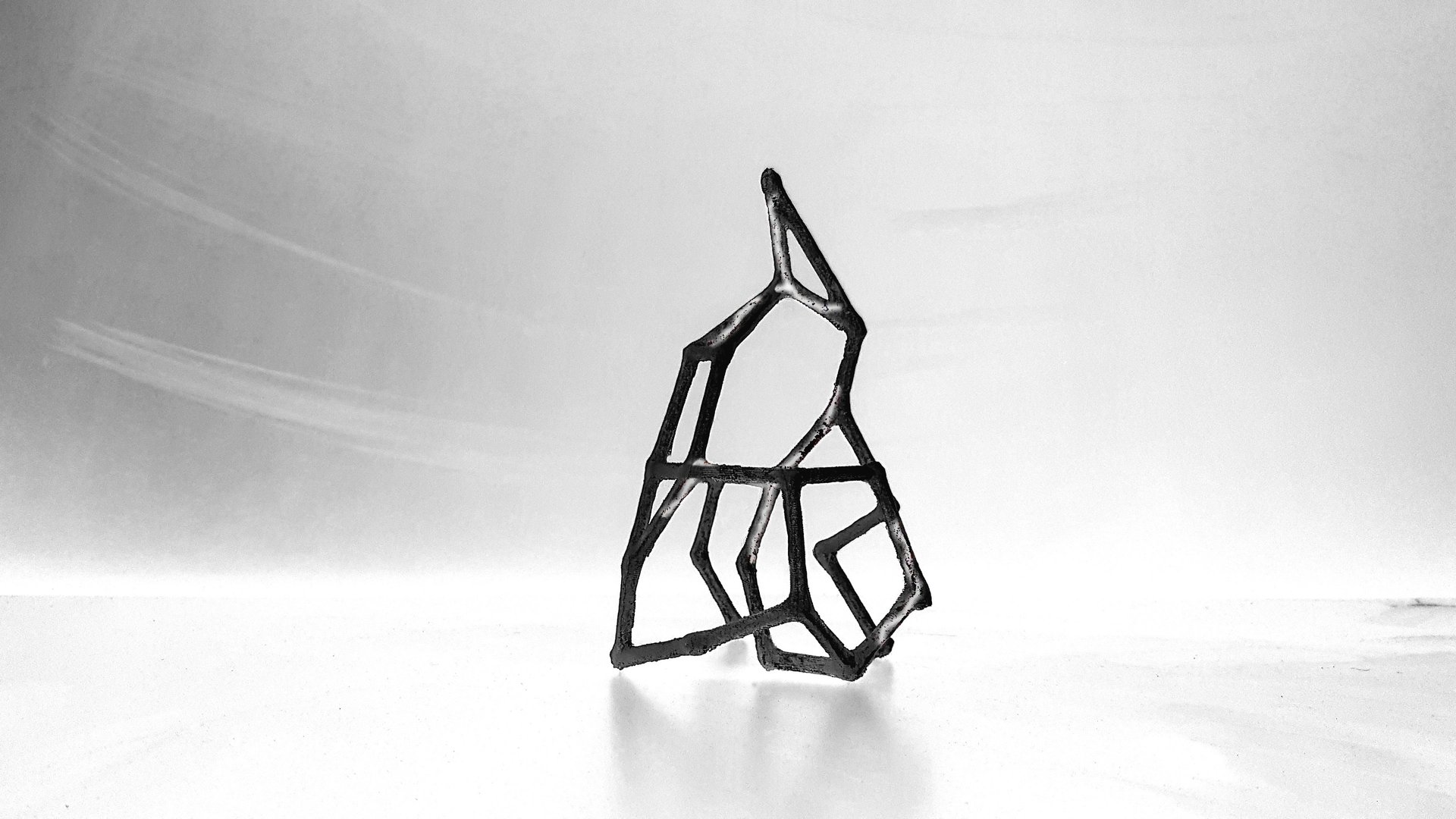
Each commission evolves through a structured development process that balances experiential vision with technical precision.
Projects are developed in close collaboration with architects and project teams from initial concept to final installation.
1. Spatial Consultation
We begin by understanding the architectural context, spatial intent and structural conditions of the site.
This phase defines scale, constraints and experiential goals.
2. Concept & Artistic Direction
Sculptural concepts emerge in response to the architectural space and project vision.
Early studies establish spatial presence, structural logic and atmospheric direction.
3. 3D Development & Prototyping
Concepts are developed through three-dimensional modeling, visual simulations and physical prototyping.
Digital renderings, scale studies, and prototypes allow each installation to be evaluated in relation to architectural space before fabrication begins.
This stage ensures clarity of form, proportion and spatial integration.
4. Engineering & Fabrication
Once the design is defined, structural development and custom fabrication begin.
Each installation integrates structural coordination, custom lighting systems and material experimentation.
Engineering provides stability and precision while preserving experiential intent.
5. On-Site Integration
Final installation is carefully coordinated with architects and construction teams.
Each element is adjusted in situ to ensure spatial harmony, structural safety and long-term durability.
Each installation is developed as a unique commission — never replicated, always adapted to its architectural context.
Process